The internet has always evolved through new forms of digital identity. First came anonymous usernames. Then profile pictures. Then influencers who built entire careers around their personalities.
Now, a new digital phenomenon is emerging rapidly across content platforms.
AI VTubers.
In 2026, AI-powered virtual influencers are no longer experimental curiosities. They are becoming a legitimate form of content creation, marketing, storytelling, and entertainment. From livestreams and social media to brand campaigns and interactive virtual experiences, AI VTubers are reshaping how creators connect with audiences online.
But what exactly are AI VTubers?
Why are brands, creators, and animation studios investing in them?
And how are AI tools now making VTuber avatar creation easier than ever before?
Let’s explore the technology, the future, and the growing ecosystem behind AI VTuber creation in 2026.
What Are AI VTubers?
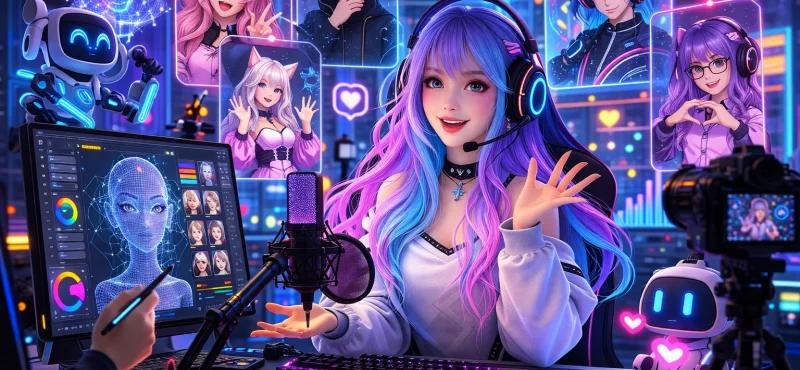
A VTuber (Virtual YouTuber) is a digital character controlled by a real person or AI system that creates content online.
Instead of appearing on camera, the creator uses a virtual avatar, often animated in real time using motion capture or facial tracking.
These avatars can be:
• Anime-style characters
• Stylized 3D personalities
• Hyper-realistic digital humans
• Fantasy creatures or mascots
With the rise of AI VTubers, the concept goes a step further.
Some virtual influencers are now powered by artificial intelligence, meaning they can:
• Generate responses automatically
• Speak with AI-generated voices
• Produce content using AI scripting tools
• Interact with audiences through automated systems
In simple terms, AI VTubers combine animation, AI technology, and digital performance into a new type of online personality.
AI VTuber Creation Pipeline
Creating an AI VTuber involves several stages combining AI technology, character design, animation, and real-time performance systems. Below is the typical workflow used by professional animation studios.
| Step | Process | Description |
|---|---|---|
| 1 | Character Concept Design | AI art generators and concept artists design the VTuber character style, personality, and visual identity. |
| 2 | Avatar Modeling | The character is converted into a 2D Live2D avatar or a fully rigged 3D model for animation. |
| 3 | Character Rigging | The avatar is rigged with a digital skeleton and facial controls so it can move and express emotions. |
| 4 | Motion Capture Integration | Motion tracking using webcams, AI tracking, or mocap suits is connected to animate the avatar in real time. |
| 5 | Voice & AI Interaction | AI voice synthesis and speech tools allow the VTuber to speak naturally and interact with audiences. |
| 6 | Streaming & Content Production | The VTuber avatar is used for livestreams, videos, gaming streams, and virtual influencer content. |
The Rise of AI VTubers
The growth of VTubers began in Japan around the late 2010s. Early creators used motion tracking software to animate digital avatars during livestreams.
By the early 2020s, VTubers had expanded globally.
Now in 2026, several technological shifts have accelerated their adoption:
AI-powered content creation
AI tools can now generate scripts, voices, animations, and images quickly.
Motion capture becoming accessible
Tools like Rokoko, webcam tracking, and AI motion capture allow creators to animate characters without expensive studios.
Virtual influencers gaining brand interest
Companies increasingly use digital characters as brand ambassadors.
Real-time 3D technology improving
Game engines like Unreal Engine allow real-time avatar animation and streaming.
Together, these innovations have made AI VTuber creation faster, cheaper, and more scalable.
AI VTubers vs Human Influencers
Virtual influencers powered by AI are becoming increasingly popular because they provide creative flexibility and consistent branding.
| Feature | AI VTubers | Human Influencers |
|---|---|---|
| Identity Privacy | Creators can stay anonymous behind digital avatars. | Personal identity is public. |
| Brand Consistency | Avatar appearance never changes. | Personal branding may evolve over time. |
| Creative Flexibility | Characters can be futuristic, animated, or fantasy-based. | Limited to real-world appearance. |
| Production Costs | Virtual production reduces filming costs. | Requires filming setups and locations. |
| Audience Engagement | Interactive avatars with animation and storytelling. | Real-life personality driven engagement. |
Why AI VTubers Are Becoming Popular
The popularity of AI VTubers is not just a trend. It solves several challenges in the creator economy.
1. Creative Freedom
With virtual avatars, creators are not limited by physical appearance.
A VTuber can be:
• A cyberpunk hero
• A futuristic AI assistant
• A cartoon mascot
• A fantasy character
This allows storytellers to build unique digital personalities that stand out online.
2. Privacy for Creators
Many content creators prefer to remain anonymous.
Using a VTuber avatar allows creators to:
• Protect their identity
• Avoid personal exposure online
• Maintain a digital persona
This is one of the biggest reasons VTubing continues to grow worldwide.
3. Consistent Branding
Virtual influencers never age, get tired, or change appearance.
This means brands can maintain consistent visual identity across campaigns, videos, and digital experiences.
4. Global Accessibility
AI VTubers can speak multiple languages using AI voice tools.
This makes it easier for creators to reach international audiences without language barriers.
The Technology Behind AI VTubers
Creating a VTuber avatar involves several technologies working together.
In 2026, most VTuber systems combine these components.
1. AI Art Generation for VTuber Avatars
The first step in VTuber creation is designing the character.
AI tools now help generate:
• Character concepts
• Avatar designs
• Expressions and outfits
Popular AI art generators can create visual styles ranging from anime to realistic digital characters.
This dramatically reduces the time needed for character development.
2. 3D Character Modeling
Once the design is finalized, the avatar must be converted into a rigged 3D model.
This allows the character to move and animate.
Professional VTuber avatars often require:
• 3D modeling
• Rigging
• Facial blend shapes
• Expression libraries
Studios specializing in animation and character development often assist in creating high-quality VTuber models.
3. Motion Capture and Facial Tracking
To bring the character to life, VTubers use tracking systems.
Common options include:
Webcam tracking
Tracks facial expressions using AI vision systems.
Motion capture suits
Capture full-body performance for realistic movement.
Smartphone facial capture
Uses depth cameras to track expressions.
These systems translate real human motion into digital animation.
4. AI Voice Generation
Some VTubers use their real voice.
Others use AI voice generation software.
AI voices allow creators to:
• Modify tone
• Create synthetic characters
• Maintain anonymity
Voice synthesis technology has improved dramatically in recent years, making AI voices sound natural and expressive.
5. Real-Time Animation Engines
Real-time engines power many VTuber broadcasts.
These systems process tracking data and animate the avatar instantly.
Examples include:
• Unreal Engine
• Unity
• Live2D software
• Proprietary VTuber animation tools
Real-time animation enables live streaming and audience interaction.
Popular AI VTuber Creation Tools
Several tools help creators build VTuber avatars and produce content using AI and animation technology.
| Tool | Purpose | Use Case |
|---|---|---|
| AI Art Generators | Create character concepts and avatar designs | Generating VTuber character artwork |
| Live2D | 2D avatar animation | Used by many VTubers for streaming |
| Unreal Engine | Real-time 3D animation | Used for high-end VTuber avatars |
| Motion Capture Systems | Track body movement | Realistic avatar performance |
| AI Voice Tools | Generate synthetic voices | AI VTuber speech generation |
How to Make a VTuber Model with AI
Creating an AI VTuber involves several steps.
Here is a simplified workflow used by many creators.
Step 1: Concept Design
Define the personality and visual identity of the character.
Important questions include:
• What style should the avatar have?
• Is it anime, realistic, or stylized?
• What personality will the character represent?
AI art tools can help explore design ideas quickly.
Step 2: Character Modeling
Next, the design is converted into a 3D model.
This step includes:
• 3D sculpting
• Texturing
• Shading
• Mesh optimization
A professional animation studio may assist here to ensure the model works smoothly during streaming.
Step 3: Rigging the Avatar
Rigging connects the character model to an animation skeleton.
This allows the avatar to move its:
• Head
• Arms
• Facial expressions
• Body posture
Rigging is one of the most technical parts of VTuber creation.
Step 4: Motion Tracking Setup
Once the avatar is ready, motion tracking is configured.
The performer can control the avatar using:
• Webcam tracking
• Motion capture suits
•Smartphone facial capture
This stage transforms the static model into a live digital performer.
Step 5: AI Content Tools
Many AI VTubers now use AI tools for:
• Script generation
• Voice synthesis
• Automated responses
This creates a hybrid content model where both human creativity and AI systems work together.
AI Influencer Generators and Virtual Marketing
Beyond individual creators, companies are exploring AI influencer generators.
These tools help create virtual brand ambassadors that represent companies online.
Virtual influencers can:
• Promote products
• Host livestream events
• Appear in advertisements
• Interact with customers digitally
Brands appreciate the flexibility of digital characters.
Unlike traditional influencers, virtual characters offer:
• Full creative control
• Predictable messaging
• Consistent branding
This makes AI VTubers an attractive option for marketing campaigns.
Benefits of AI VTubers for Content Creation
AI VTubers offer several advantages for creators, studios, and brands.
Scalability
A single VTuber character can produce content across:
• YouTube
• Twitch
• TikTok
• Virtual events
• Gaming platforms
Storytelling Opportunities
Digital characters allow creators to build entire fictional universes.
This enables serialized storytelling and world-building.
Cost Efficiency
Traditional video production can require:
• Actors
• Filming locations
• Lighting equipment
Virtual production using AI avatars can reduce these costs significantly.
Unique Audience Engagement
Many fans enjoy interacting with fictional characters.
AI VTubers create a blend of entertainment, gaming, and storytelling.
The Future of AI VTubers
Looking ahead, several trends will shape AI VTuber technology.
Hyper-Realistic Digital Humans
Advances in AI and rendering technology are producing extremely realistic avatars.
Future VTubers may look indistinguishable from real people.
Real-Time AI Conversations
AI language models are improving conversational abilities.
Future AI VTubers may interact with audiences autonomously during livestreams.
Integration with Virtual Worlds
AI VTubers may appear in:
• Metaverse platforms
• Virtual events
• Immersive gaming environments
These experiences blur the line between entertainment and digital reality.
Collaboration Between AI and Artists
Despite technological advances, human creativity remains essential.
Animation artists, designers, and storytellers still shape the personality and emotional depth of virtual characters.
AI is becoming a powerful creative assistant, not a replacement.
Why Professional Animation Studios Still Matter
Although AI tools can generate assets quickly, creating a high-quality VTuber avatar still requires expertise.
Professional studios provide:
• Character design expertise
• Advanced rigging
• Animation quality
• Technical pipeline support
Studios focused on animation, visual effects, and digital production help creators build VTubers that perform reliably across platforms.
Planning an AI VTuber Project
If you plan to launch a VTuber, consider these key steps.
Define your character identity
Personality and storytelling are just as important as technology.
Invest in high-quality avatars
A well-designed character helps build audience trust and brand recognition.
Choose the right animation pipeline
Motion capture, AI tools, and animation engines must work together smoothly.
Build long-term content strategy
VTubers succeed through consistent storytelling and audience engagement.
Final Thoughts
AI VTubers represent a fascinating intersection of technology, creativity, and digital identity.
In 2026, the tools for creating virtual influencers have become more accessible than ever. AI art generators, real-time animation engines, and motion tracking technologies are empowering a new generation of creators.
But while technology enables these experiences, the real magic still comes from storytelling.
The most successful AI VTubers are not simply animated characters. They are personalities with voice, style, and narrative depth.
As virtual influencers continue to grow across social platforms, gaming environments, and digital marketing, one thing is clear.
The future of online content may not always be human but it will definitely be creative.
FAQ Section
1. What is an AI VTuber?
An AI VTuber is a virtual content creator powered by a digital avatar and artificial intelligence tools. Instead of appearing on camera, the creator uses a virtual character that can be animated through motion capture, facial tracking, or AI-generated animation.
2. How are AI VTubers created?
AI VTubers are created using several technologies including AI art generators, 3D modeling software, character rigging, and motion capture tools. These technologies combine to produce a virtual avatar that can move, speak, and interact with audiences online.
3. What software is used to create AI VTubers?
Common AI VTuber software includes tools for avatar creation, motion tracking, animation, and streaming. Many creators use AI art tools for character design, 3D modeling software for avatar creation, and motion tracking tools to animate the character in real time.
4. Can AI generate VTuber avatars automatically?
Yes, AI art generators can help create VTuber avatar designs quickly. These tools generate character illustrations and concept art based on text prompts, which can later be converted into animated VTuber models.
5. What is an AI influencer generator?
An AI influencer generator is a tool used to create digital characters that act as influencers online. These virtual influencers can promote brands, interact with audiences, and produce digital content across platforms.
6. What are the benefits of AI VTubers?
AI VTubers provide privacy for creators, creative freedom in character design, and consistent branding for digital content. They also allow creators to produce content without appearing on camera.
7. Can AI VTubers be used for marketing and branding?
Yes. Many brands now use AI VTubers and virtual influencers to promote products, host livestreams, and create digital campaigns that attract younger online audiences.
8. Do AI VTubers require motion capture technology?
Not always. Some VTubers use motion capture suits or webcam tracking, while others rely on AI-driven animation tools that generate motion automatically.
9. How can someone make a VTuber model with AI?
To create a VTuber model with AI, creators usually start with AI-generated character art, convert it into a 3D or 2D animated avatar, rig the model for animation, and then connect it to motion tracking or AI animation software.
10. What is the future of AI VTubers?
The future of AI VTubers includes more realistic avatars, real-time AI conversations, integration with virtual worlds, and interactive digital experiences powered by artificial intelligence.