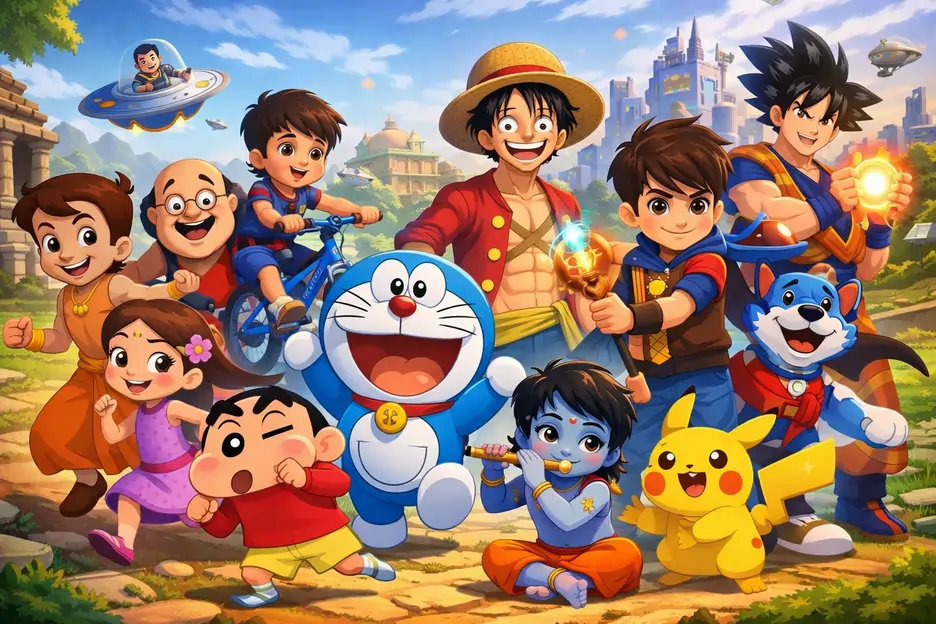
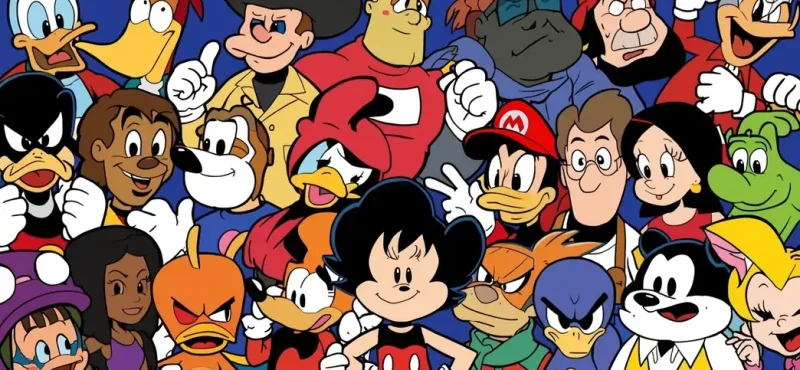
Cartoons in 2026 behave like living organisms. They evolve across screens, mutate into memes, and replicate through reels at alarming speed. A character is no longer just a drawing. It is a content unit, a brand asset, and a social signal.
This expanded guide breaks down the top famous cartoon characters in 2026, with deeper analysis, audience psychology, platform data patterns, and why they continue to dominate attention.
The Real Formula Behind Famous Cartoon Characters in 2026
In 2026, the real formula behind famous cartoon characters is less about complex storytelling and more about precision design for attention. The most successful characters are built to connect instantly, often within seconds, using bold visuals, clear personality traits, and emotionally simple reactions that audiences can recognize without effort. They are engineered for a multi-platform world, where a single scene can become a meme, a reel, or a looping clip. Instead of relying on long narratives, these characters thrive on micro-moments that are easy to consume and share. Their strength lies in consist
Before diving into the list, here’s the deeper mechanics:
1. Attention Economy First
Characters are designed to survive scroll speed. If they fail to hook in 2 seconds, they disappear.
2. Modular Storytelling
Episodes are no longer linear. Content is broken into:
- Clips
- Reactions
- Memes
- Loops
3. Emotional Clarity
Each famous cartoon character carries a single dominant trait:
- SpongeBob → optimism
- Shinchan → rebellion
- Bheem → strength
Clear emotion = fast connection.
4. Platform Fluidity
A successful character exists in:
- YouTube
- OTT platforms
- Instagram Reels
- Gaming ecosystems
Top Famous Cartoon Characters in 2026
The top famous cartoon characters in 2026 are not just popular, they are everywhere. They dominate YouTube, streaming platforms, reels, and even gaming spaces. From timeless icons like SpongeBob and Mickey Mouse to high-engagement characters like Shinchan, Oggy, and Chhota Bheem, each one has adapted to how audiences consume content today. What makes these characters stand out is their ability to connect instantly, whether through humor, emotion, or simple storytelling. In 2026, a cartoon character becomes famous not just by appearing on TV, but by being shareable, relatable, and visually unforgettable across multiple platforms.
SpongeBob SquarePants
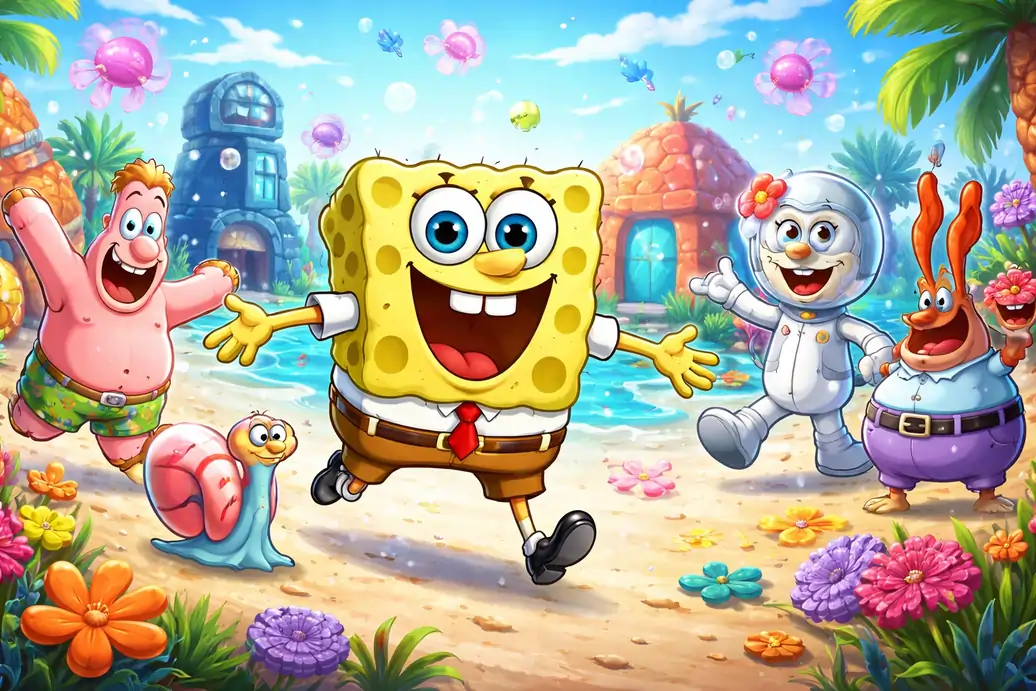
SpongeBob is not aging. He is reformatting himself constantly.
Character DNA:
- Extreme positivity in absurd situations
- Childlike logic in adult chaos
2026 Data Behavior:
- Massive presence in reaction memes
- One of the most clipped cartoon characters online
- High replay value in short-form loops
Why he dominates:
SpongeBob scenes function like digital emojis with personality. Instead of typing a reaction, people post SpongeBob.
Psychological hook:
He allows viewers to escape logic without guilt.
Mickey Mouse
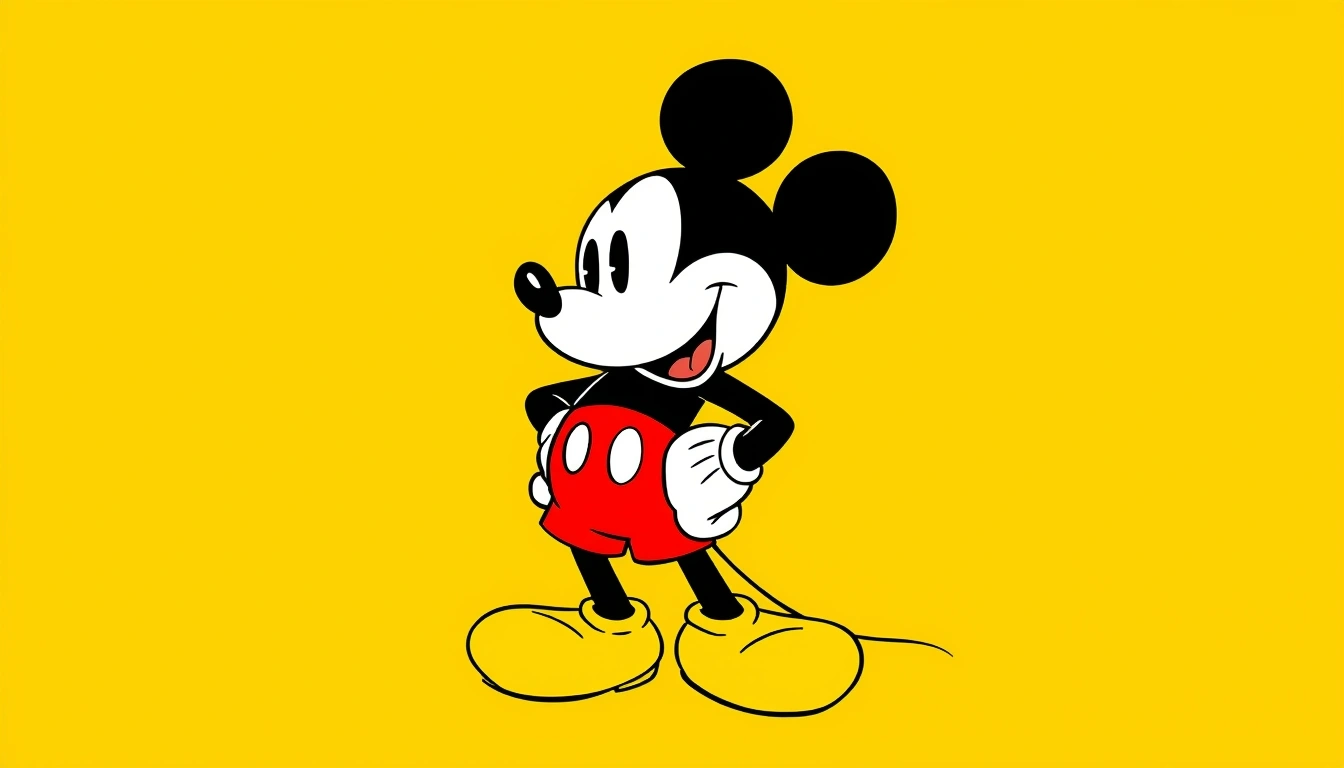
Mickey is less a character, more a global animation symbol.
Character DNA:
- Clean design
- Universal friendliness
- No cultural barriers
2026 Evolution:
- Redesigned into minimalist expressive animations
- Used heavily in short-form storytelling
Why he still works:
Mickey’s simplicity makes him infinitely adaptable. He can be modernized without losing identity.
Psychological hook:
Familiarity triggers instant trust and nostalgia loops.
Tom & Jerry
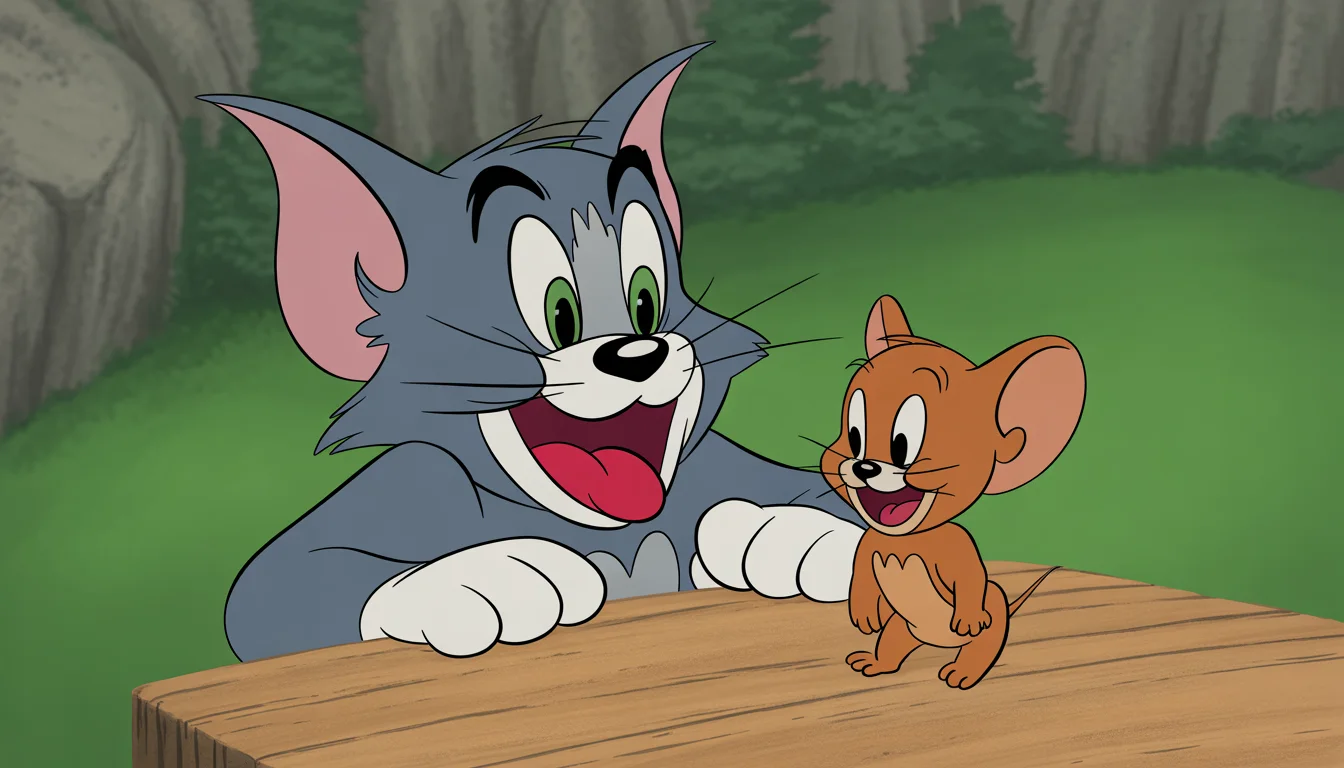
No dialogue. No explanation. Just impact.
Character DNA:
- Conflict-driven storytelling
- Physical comedy
2026 Performance:
- Extremely high watch completion rates
- Viral in regions with multiple languages
Why they dominate:
They bypass language completely. That makes them globally scalable content assets.
Psychological hook:
Predictable chaos creates comfort viewing.
Shinchan (Shinnosuke Nohara)

Shinchan operates like a controlled disruption.
Character DNA:
- Social rule breaker
- Honest to the point of discomfort
2026 Growth:
- Exploding in Indian and Asian digital platforms
- Strong meme adaptation in regional languages
Why he connects:
He mirrors unfiltered human behavior, something audiences crave in a curated world.
Psychological hook:
He says what viewers wish they could say.
Po (Kung Fu Panda)
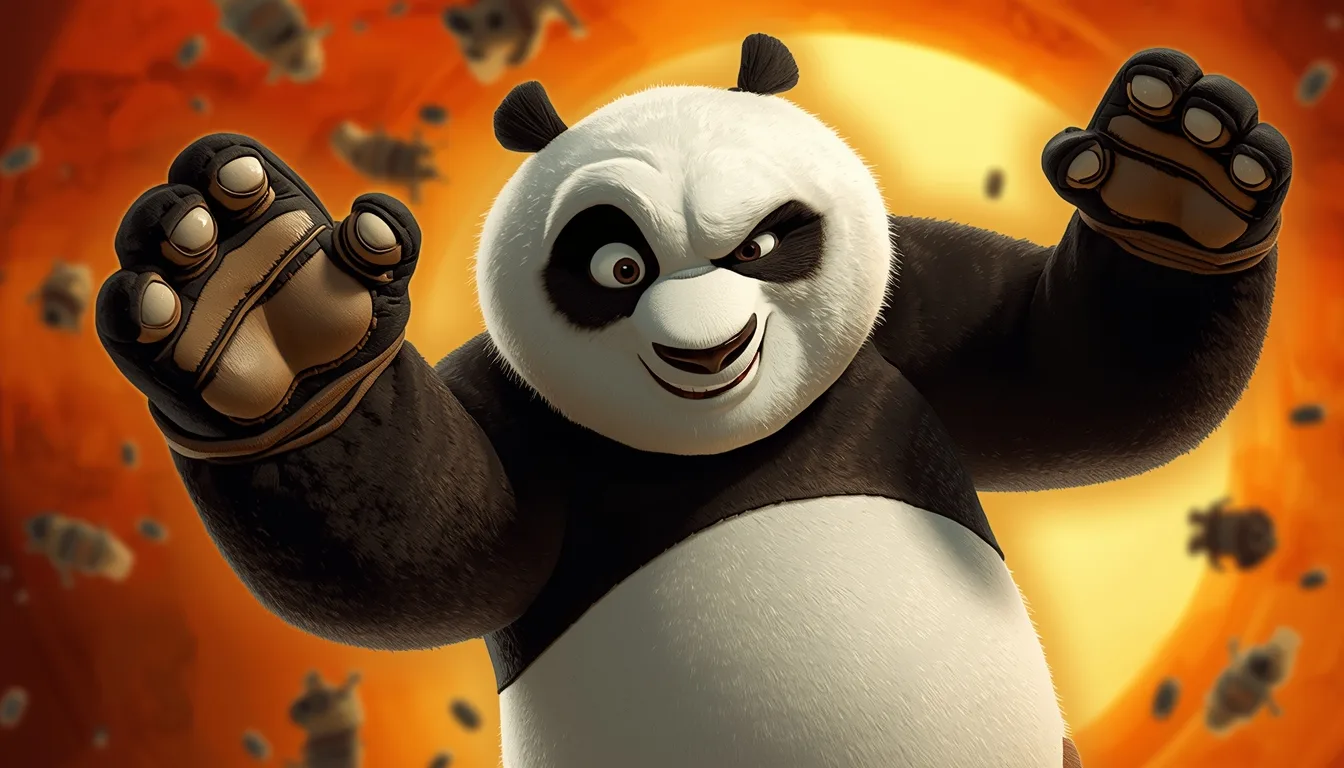
Po is no longer just entertainment. He’s narrative therapy.
Character DNA:
- Self-doubt → self-mastery
- Humor + wisdom blend
2026 Relevance:
- Streaming platforms boosting franchise longevity
- Strong engagement in motivational edits
Why he lasts:
He evolves emotionally. Most characters don’t.
Psychological hook:
He validates the idea that growth is messy but possible.
Bugs Bunny
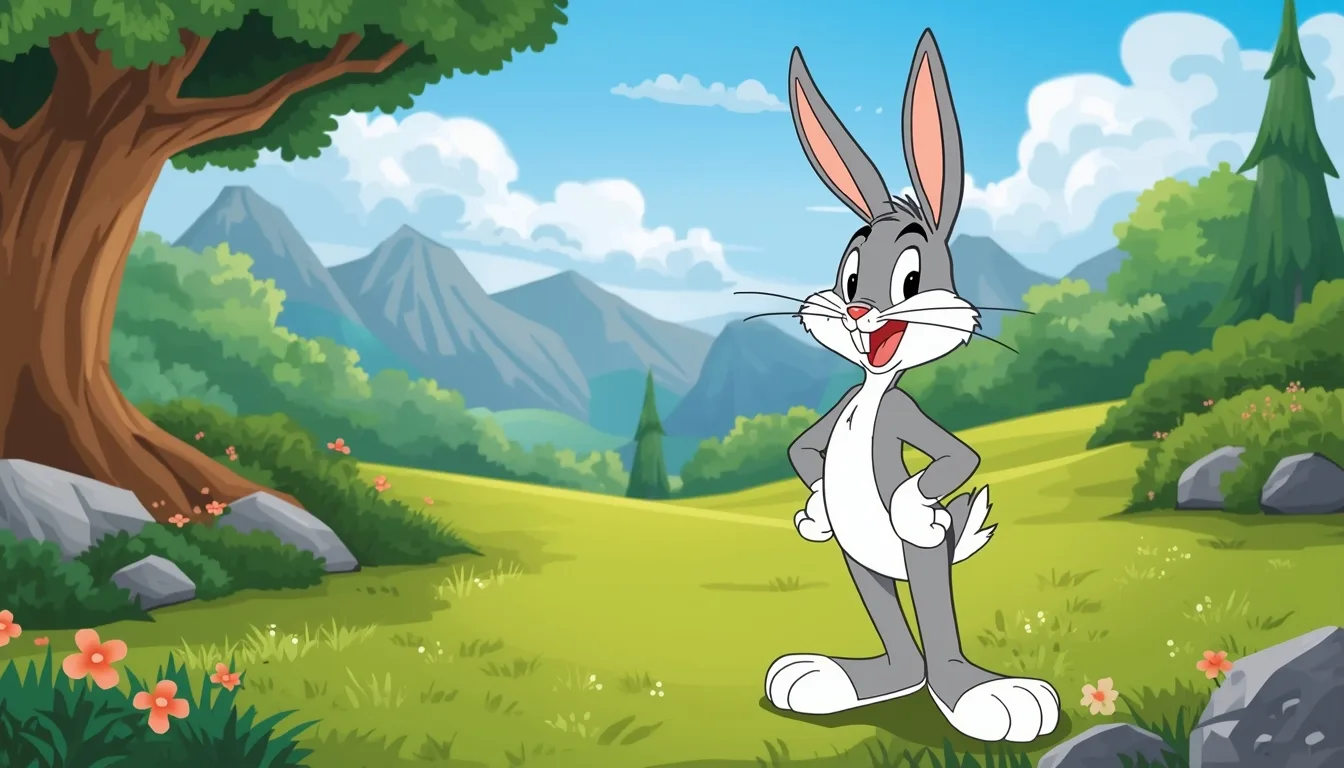
Precision sarcasm. No wasted movement.
Character DNA:
- Intelligence over strength
- Calm dominance
2026 Shift:
- Repackaged in short-form animated clips
- High engagement among older Gen Z audiences
Why he works:
Sarcasm has become a default internet language.
Psychological hook:
He represents effortless control in chaotic situations.
Ben 10 (Ben Tennyson)
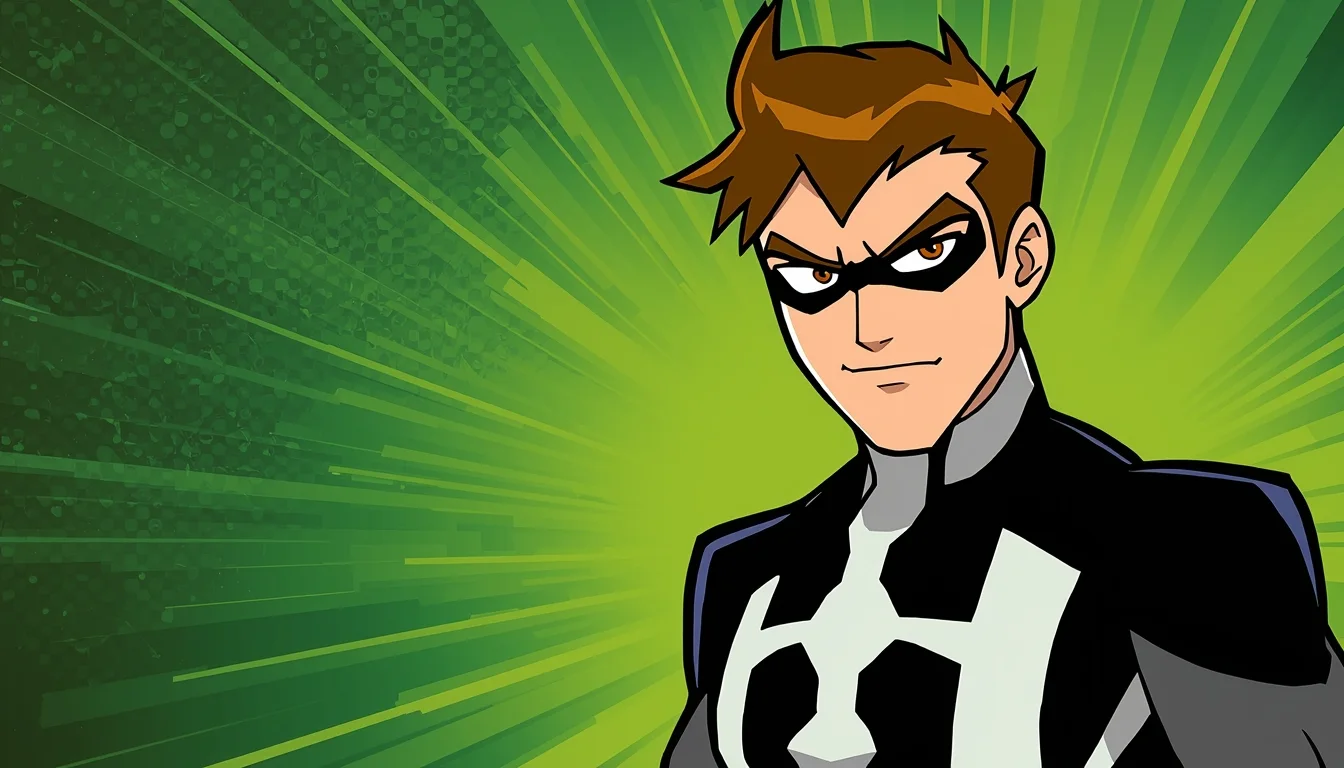
A modular superhero built for endless expansion.
Character DNA:
- Transformation mechanic
- Power diversity
2026 Presence:
- Strong in gaming adaptations
- Continued relevance through reboots
Why kids love him:
He offers multiple identities in one character.
Psychological hook:
He taps into the fantasy of limitless potential.
Masha (Masha and the Bear)
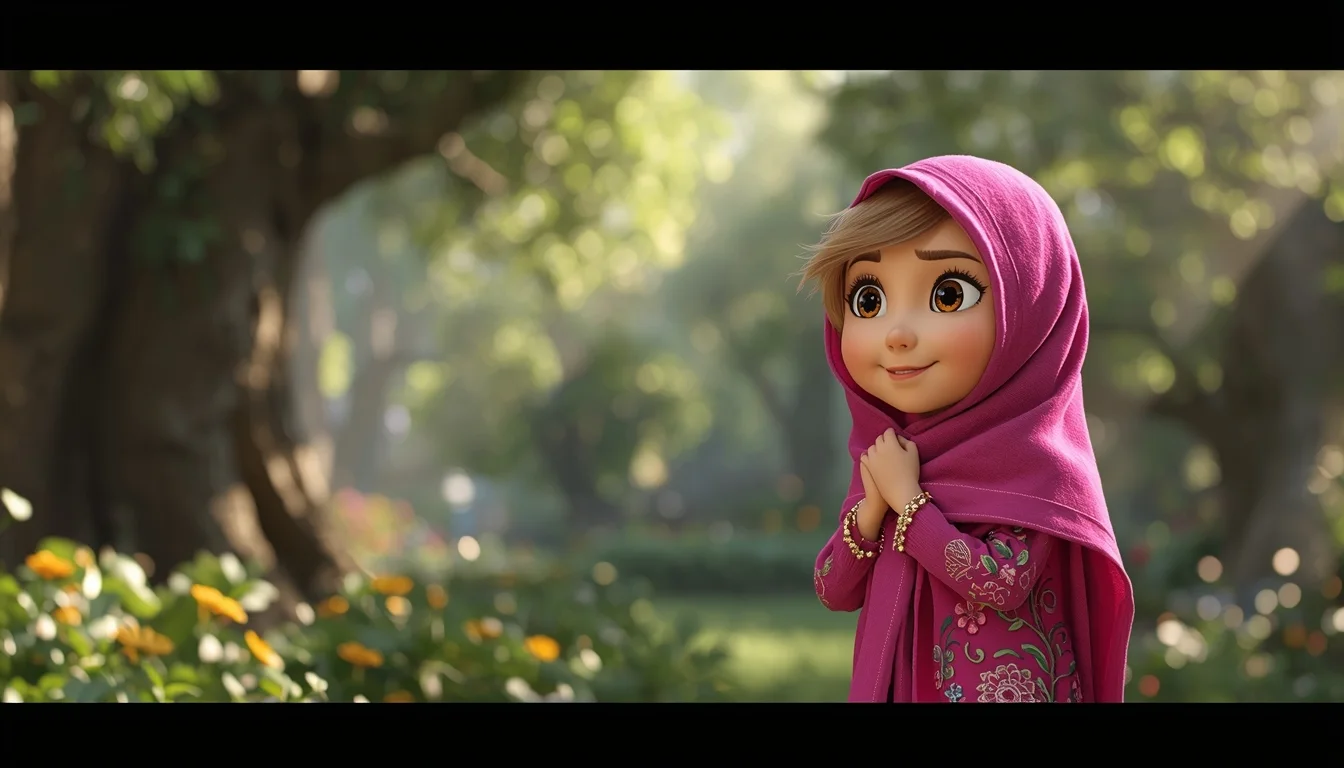
Small character. Massive reach.
Character DNA:
- Hyperactivity
- Curiosity-driven chaos
2026 Dominance:
- Billions of views on YouTube
- Strong performance in preschool segments
Why she wins:
No dependency on complex dialogue makes her universally consumable.
Psychological hook:
She reflects childhood freedom without consequences.
Chhota Bheem
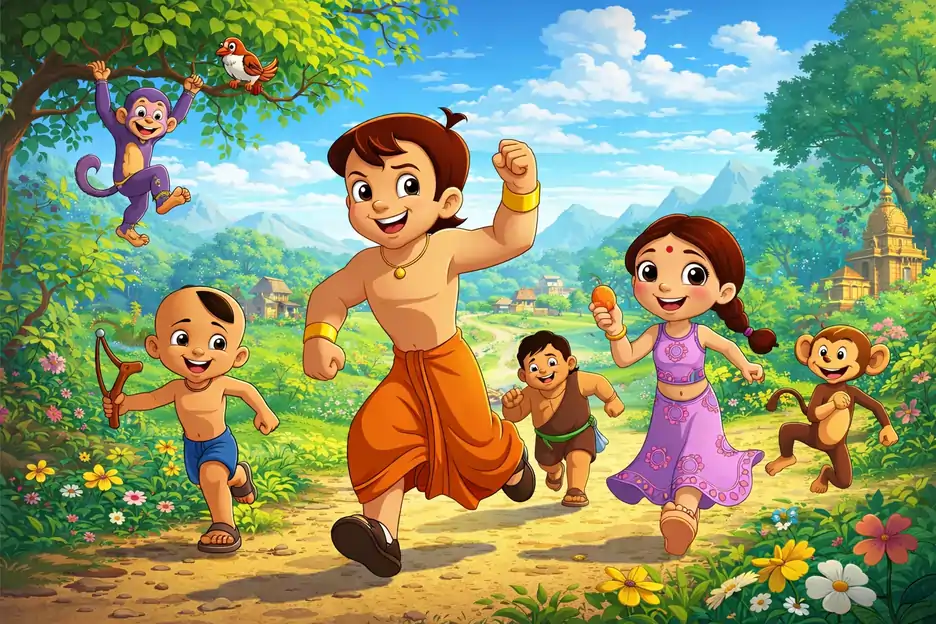
India’s animation pillar.
Character DNA:
- Strength + morality
- Mythological undertones
2026 Growth:
- Strong merchandising ecosystem
- Continued TV + YouTube dominance in India
Why he works:
He blends cultural identity with simple storytelling.
Psychological hook:
He represents heroism rooted in familiarity.
Oggy (Oggy and the Cockroaches)
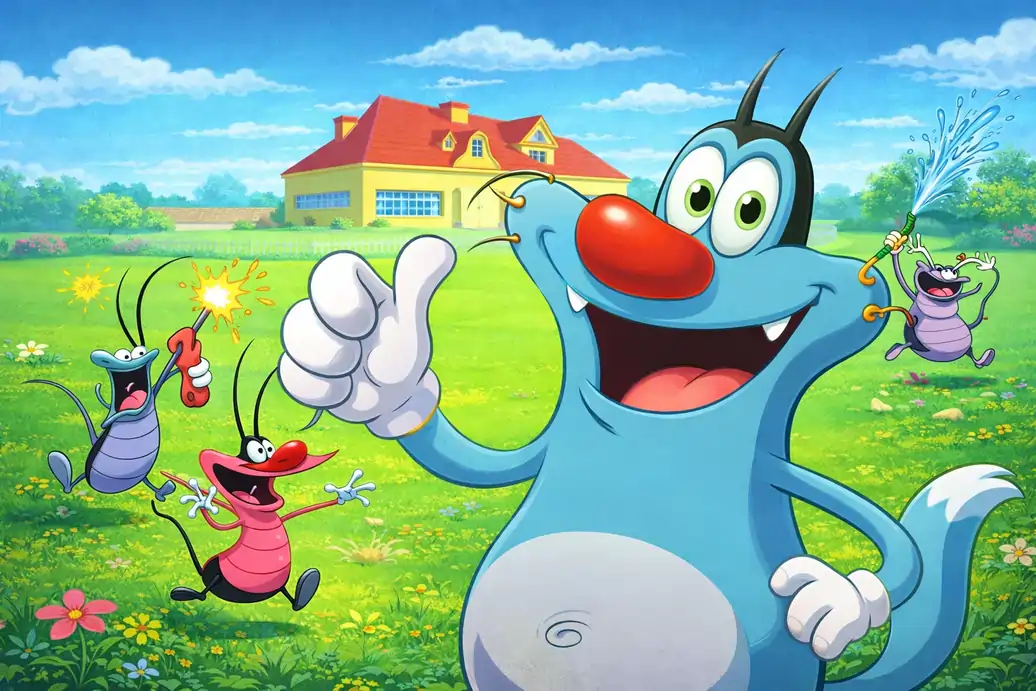
Repetition turned into strategy.
Character DNA:
- Endless struggle loop
- Visual humor
2026 Behavior:
- High binge-watch patterns
- Strong retention in Indian markets
Why he survives:
His content is loop-friendly, perfect for autoplay systems.
Psychological hook:
Predictability reduces cognitive effort, making it addictive.
Key Trends Shaping Famous Cartoon Characters in 2026
The rise of famous cartoon characters in 2026 is being shaped by a fast-moving digital ecosystem where attention is currency and adaptability is survival. Short-form content has become the primary battlefield, pushing creators to design characters that can instantly connect within seconds and still hold value in longer narratives. At the same time, regional storytelling is gaining power, with local characters resonating deeply through cultural familiarity while still reaching global audiences through dubbing and social platforms. Another major shift is the fusion of animation with interactive media, where characters are no longer limited to shows but extend into games, filters, and virtual experiences. Visually, simplicity is winning over complexity, as bold, clean designs perform better on smaller screens and across platforms. Above all, emotional clarity has taken center stage, with each character built around a strong, easily recognizable trait that audiences can quickly relate to, remember, and share.
1. Short-Form First Strategy
Cartoons are now designed for:
- 15–60 second clips
- Loopable sequences
- Meme extraction
2. Regional Power Surge
Local characters like Chhota Bheem and Shinchan are outperforming global ones in specific markets.
3. Interactive Expansion
Cartoon characters are entering:
- Mobile games
- AR filters
- Virtual avatars
4. Simplified Visual Design
Heavy detail is fading. Winning characters use:
- Bold colors
- Clean silhouettes
- High contrast
5. Emotion Over Plot
Story complexity is decreasing. Emotional clarity is increasing.
Why These Cartoon Characters Stay Famous
Let’s compress the entire analysis:
| Factor | Impact |
|---|---|
| Instant Recognition | Stops the scroll |
| Emotional Simplicity | Builds connection fast |
| Platform Adaptability | Expands reach |
| Meme Compatibility | Drives virality |
| Cultural Flexibility | Ensures longevity |
What This Means for Animation Brands (Like Incredimate)
For a studio like Incredimate, this shift changes the game from “making animations” to building scalable character ecosystems. The focus should move toward designing characters that are instantly recognizable, emotionally clear, and optimized for short-form platforms like YouTube Shorts and Instagram Reels. Instead of investing heavily in long episodes alone, the smarter play is to create high-impact micro-content that can be clipped, shared, and repurposed across multiple channels. Every character should be developed with expansion in mind from memes and stickers to branded content and interactive formats. In 2026, the studios that win are not just the ones with the best animation quality, but the ones that understand distribution, attention, and audience behavior at a deeper level.
If you’re building the next famous cartoon characters, here’s the actionable blueprint:
1. Design for Small Screens
Your character must be recognizable even at thumbnail size.
2. Build Clip-Worthy Moments
Every scene should be extractable as a standalone short.
3. Focus on One Core Trait
Avoid complexity. Pick one dominant personality trait.
4. Prioritize Distribution Over Duration
10 viral clips > 1 long episode.
5. Think Beyond Animation
Characters should extend into:
- Stickers
- Memes
- Games
- Social content
Final Thought
The most famous cartoon characters in 2026 are not just created.
They are engineered for attention, optimized for emotion, and distributed for scale.
They don’t wait to be watched.
They chase you across platforms until you recognize them.
And once you do… they stay.